Intro
Mom has told me this story so many times.
I’ll let her tell it again.
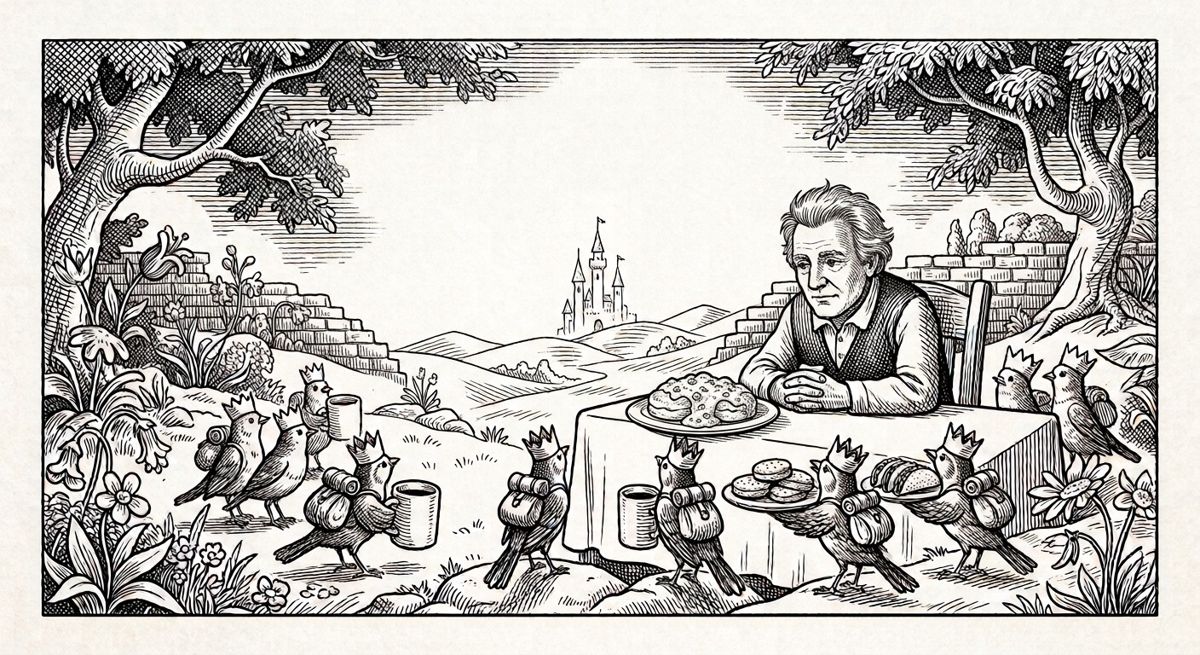
It was a Saturday at their favorite restaurant. She says, “Not like in the movies, not the one with the bell on the door and the booth in the back.” It was a chain restaurant they loved. What was it called again? First Watch.
That’s right.
Dad let Mom order first, like he always did. He ordered biscuits and gravy with coffee. Mom tried to order something new and landed on breakfast tacos and a Diet Coke, like she always does.
She says it felt like any other Saturday, but she says Dad was nervous. I never really understood that as a kid. It was probably Mom who was nervous. Mom is forever nervous. She said his breathing was heavy and that was his tell. The way his nostrils flared up was something his father did too, and he hated it. Even at forty-one he could not help that he was his father’s son.
He said, “I finished my book.”
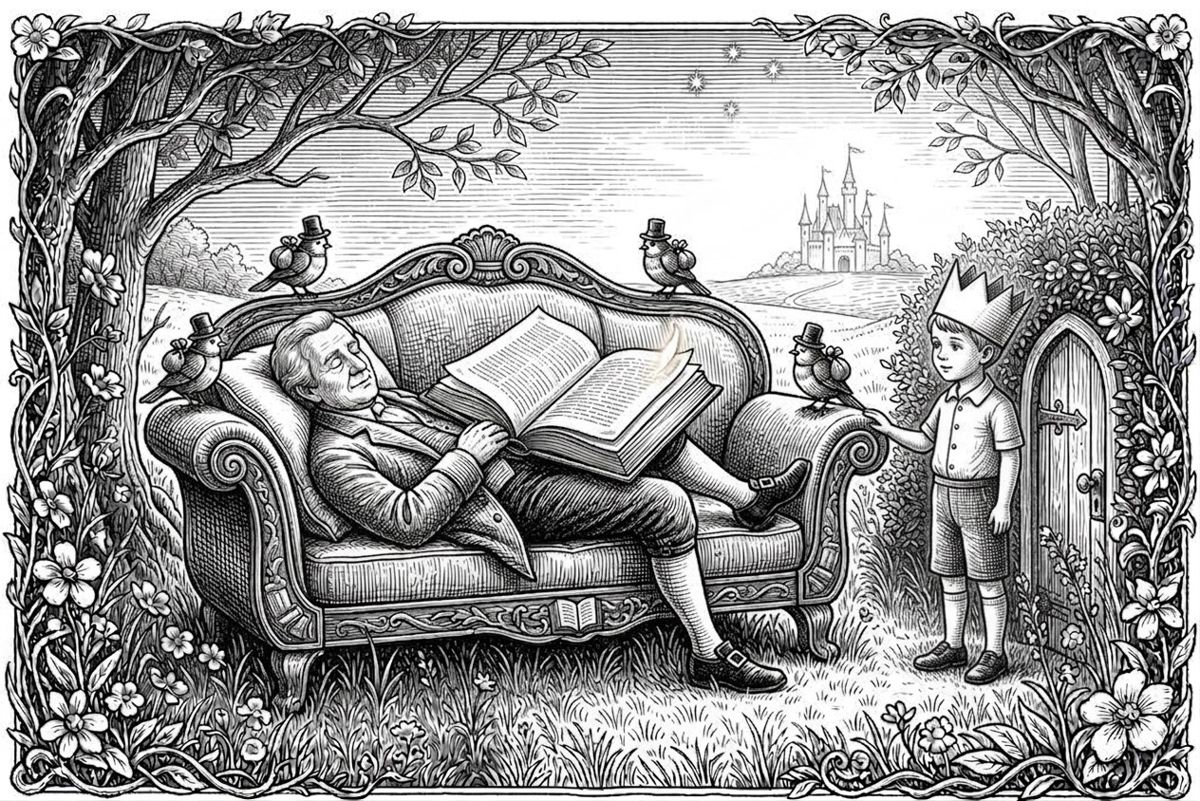
Mom had watched him disappear into that laptop for years. With the kids awake and the house going, the laptop stayed open, and she carried more of the family during those years than her fair share. Even when I was young, Dad would spend time in his study while we all played in the living room.
Back before the book, neither of them knew what Dad had really been building in those late hours. In the beginning it was simply preparation for fellowship, outlines he wrote for nobody but himself. Each week those minor scribbles on his notepad were quietly becoming the reason he would stay up late at night.
Mom says she had married a young man she met at a movie theater, and most days she had still seen him that way. “The days are long, but the years are short,” she used to say. “We see people for who we think they are, and it takes a morning like that one to see who they had become.”
That morning she saw it plainly, Mom says. The boy from the movie theater had become the father of her children a long time before, in the late hours she had taken for work. All those nights in the study had been him building something for us.
When he said he finished his book, she thought to herself, why? Who would read it?
He said, “For them.”
Mom’s voice catches here.
“I want them to have something, like a home video for when I’m gone.”
“Gone?” She thought. “Why was he planning to be gone?”
Dad used to say he had a worry that had formed roots deep in his heart. Something like a fear but without the dread. He said he never knew how he knew, but he could never shake the feeling that he would die young. He would say that he wanted to be around as an old man, like his grandfather, living with aches and pains. He said he wanted to feel like he had earned the right to complain about being old. But if it was not within God’s plan for him to be around into his nineties, he could never forgive himself if he hadn’t done everything to prepare his children to thrive in his absence.
If I slid into the booth where she was sitting, alongside a finished plate of biscuits and gravy, I would have so many questions for Dad. Would we have enough time to talk? Would we have cut it short because of the crowd? Would he have even told me what he really believed?
He probably would have. That’s the thing about Dad. To the world, he was just a man. To us, he tried to be everything.
So yes. I think he would’ve told me.
I would’ve asked him the easy one first. The one you start with when you don’t know how to ask the hard one. I would’ve asked, “Are you proud of it?”
He would’ve thought about it. He would’ve taken a sip of his coffee, drawn a deep breath through his flaring nostrils, and said, “I am glad that I finished it.”
He rarely let himself say anything he did was good.
“Why did you write it?”
“For you.” He smiles. His face lights up the way I wish it would stay. “For your siblings. For whoever else reads it, if anybody does, but mostly… For you.”
Dad treated everyone like we were the same. We all used to tease each other that we were secretly his favorite. I still think Dad gave me the extra wink after my siblings turned away.
I would’ve said, “But, Dad. We have you.”
And this is where I think he would’ve gotten quiet, the quiet he used to get when he was working a thought out before he let it leave his mouth. I used to see that quiet in him when I was small, and it used to fill me with a kind of wondering. Sitting across from him now as an adult, I think I would’ve recognized it for what it was, and I would’ve waited.
He would’ve said, “You have me now. I wanted to make sure you had me later.”
I would have wanted to argue. I would have wanted to tell him he had plenty of time. But maybe I would have looked across the table and seen him mean it. And maybe I would have understood, for the first time, that the book was not just paper bound in ink. It was a gift from a father to his children, the thing he made so we could still have him when he no longer had the power to protect us from the world. It was the important conversations he knew he was going to run out of time to have in person, and the answers to the questions we hadn’t yet thought to ask. The book was him, handed forward, so we would not have to go looking for him after he was gone.
I would have reached across the table and taken his hand.
I would have said, “OK, Dad. I’ll read it.”
He would have smiled and said, “Thank you.”
OK.
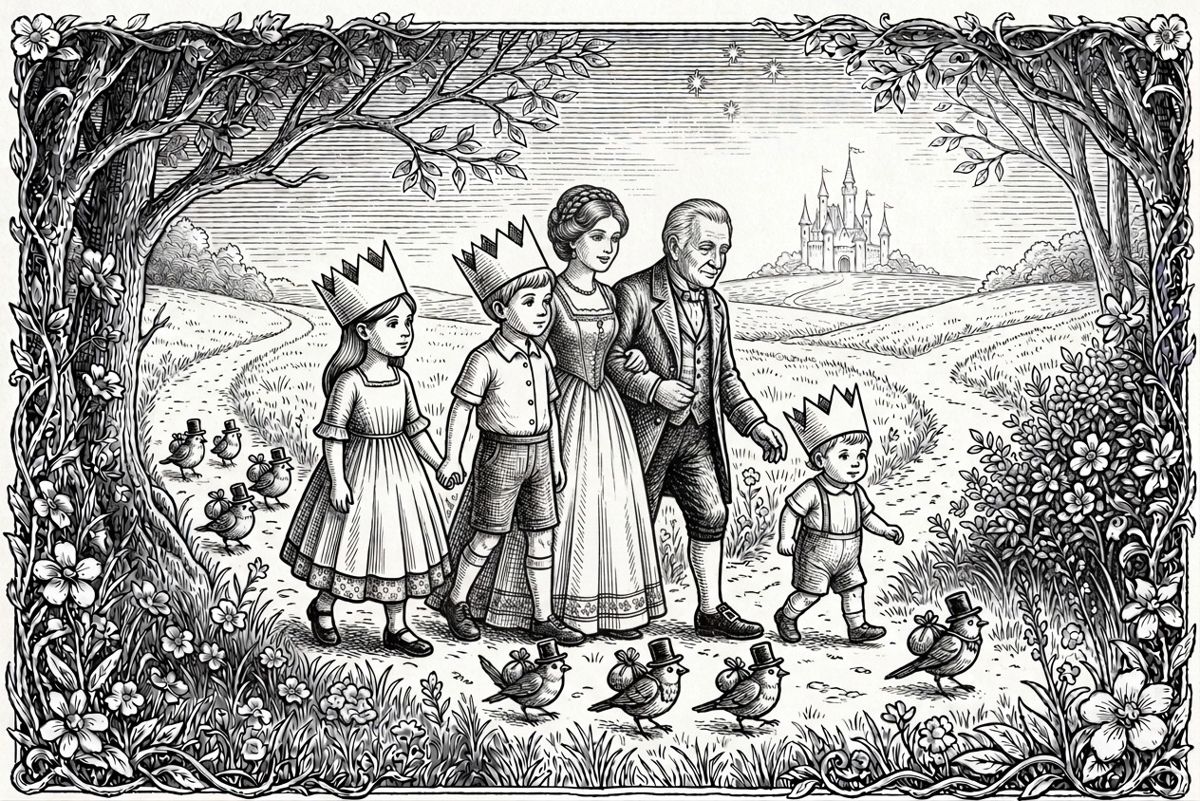
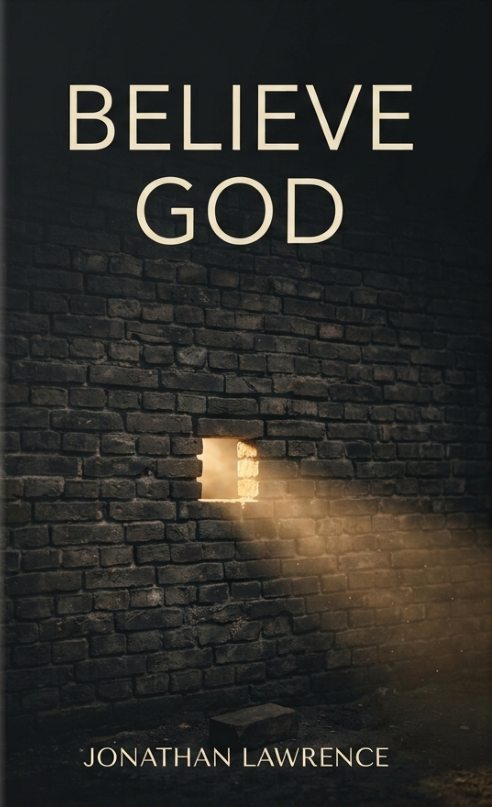
So, here it is. The book he wrote. For me. For us. For all of us.
Chapter 1
I Lost My Faith
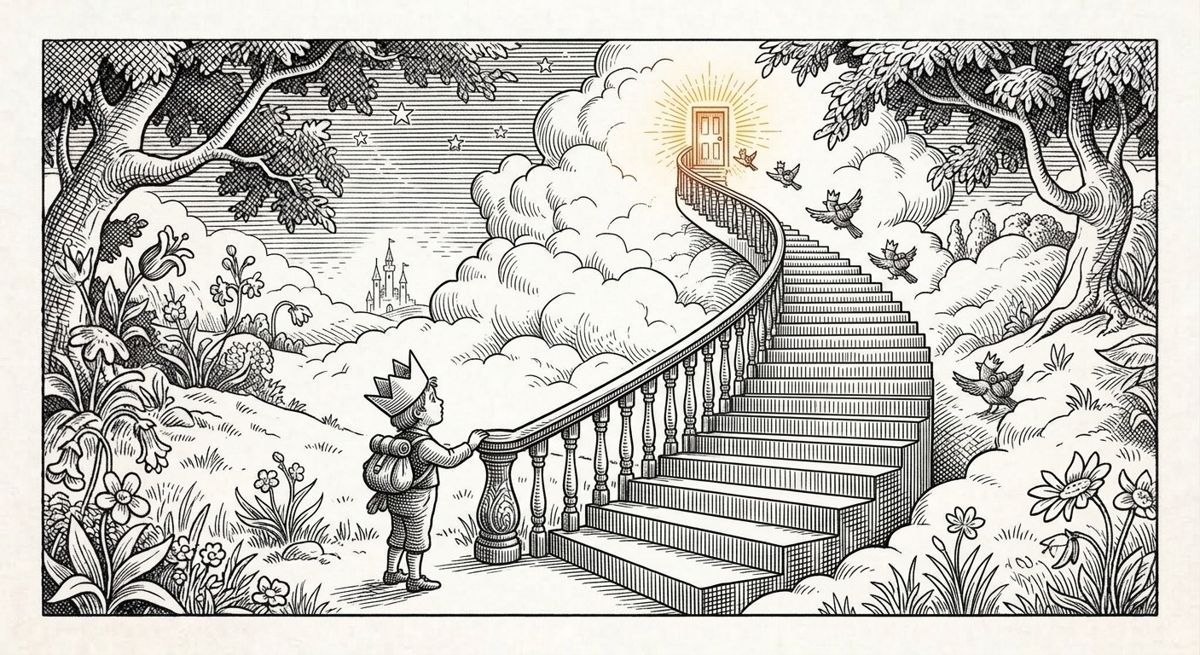
Back at our childhood home in Colorado, there were fifteen carpeted stairs from the basement to the main floor. Why does anyone have a memory like this? They seem too detailed when so many other important areas are forgotten. Even now, my feet keep counting them as if I were still in that house.
Seven.
Eight.
Nine.
The sound of my siblings laughing with our sitter, Michelle, in the basement. The smell of dinner still hanging in the kitchen. The warm low rumble of the adults upstairs. My father’s voice carrying further than anyone else’s. And there is me on the stairs. Climbing them when there was no reason to climb them. Going up toward the door at the top without knowing why. Somewhere around the tenth step something started shaping itself in my chest that I did not have the words for yet. A question, or the feeling that precedes a question, the way sometimes a child knows they are about to cry before they know what is wrong. By the time I reached the top step the words were there. And the words were not words I could have said to anyone, because saying them would have sounded like I was asking to be fixed. What I was really asking for was something that could not have been cured by my father’s hug and a pat on the back.
For me there was a long time when reading the Bible was a struggle. Even now it is still hard. Where to even start is the first problem. There are sixty-six books and nobody ever really explains which ones go first or why. New Testament or Old Testament? Jesus or everything else? Did Jesus even write any of it Himself, or was it all written about him by other people? If it was all written about him by other people, how is anyone supposed to know they got him right? Or if he was the person they said he was? Or if he said the things they said he said? The red letters seem like the safe place to start, the parts where Jesus is actually the one talking. But even those only show up in four books, and what about the rest? Four gospels that are all telling mostly the same story in mostly the same order with little different details in each one. Why four? Why not one? Why do they seem to disagree on the small things if they are all supposed to be true? And then Paul writing letters to churches that do not exist anymore, about arguments nobody remembers, in a world nobody lives in now. Why should any of that bind anyone today? And an Old Testament full of battles and genealogies and laws about which animals to sacrifice for which sins, none of which apply to a kid sitting on the top step of a basement staircase thousands of years later. Half of it sounds like myth. The other half sounds like violence.
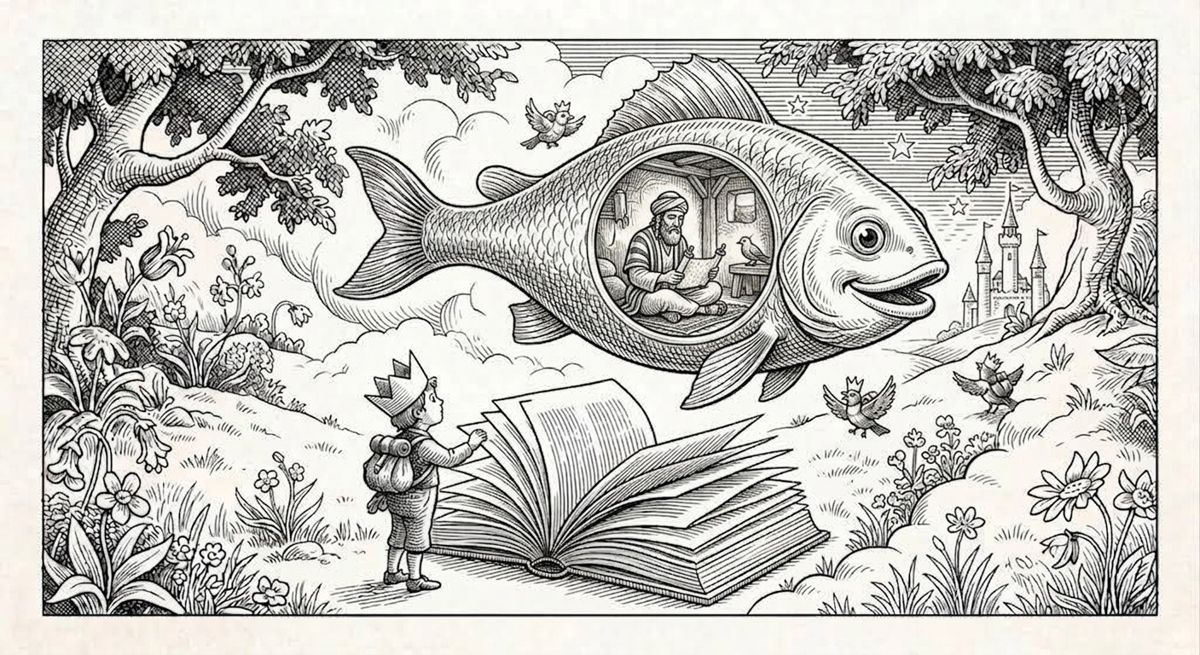
So when my Bible gets opened and a passage is read, I think, “And now what?” The question that comes next is always the same one. So what? What does it matter that a man got swallowed by a whale? That never happened. That cannot have happened. What does it matter that a man died on a cross two thousand years ago, when people die in wars and in hospitals every day? What is any of this supposed to mean, sitting on a stair, with Dad’s voice coming through the door, right now, tonight?
And underneath all of that, the real question finally surfaces. The one that has been sitting there the whole time, building in the dark where the child has been hiding the thoughts too frightening to share with their father. The one nobody wants to say out loud, because saying it out loud feels like losing something. How is anyone supposed to have faith in the Bible? Or whether any of it is true? Or whether the whole thing has been built on a foundation that does not hold? Whether the people who handed this down, the pastors and the teachers and the study leaders and the fathers, got any of it right? Whether the father on the other side of that door, the person who has spent his life pointing toward a God he has never seen, is right about what he claims?
And if he is wrong, what does that mean? What does it mean that everything he has given, every Wednesday night in the living room, every conversation at the kitchen table, every quiet hour he spent with a pencil and an open Bible while the stairs were below and the kids were playing and the house was warm and full, was built on something that might not be real? What does it mean to be sitting on this stair right now, with a father on the other side of the door still alive, still teaching, still pouring himself out for strangers, while his children play downstairs with a nanny, and not know if what he is teaching them is true?
Dad, if I could have pulled my words together back then, as they build up in my mind now, how would you have answered, “I have lost my faith”? This was his answer.
A Wall Called God
If you had been able to say that to me, on the stairs, all those years ago, here is what I would have said first. I would have said, “I love you,” then I would have said, “and this may be the most important topic we ever discuss.”
I have been waiting to talk with you about this since before you were born. If this is the first time you have had me explain it, I am grievously sorry. You deserve more from your father than to be reading this from the pages of a book.
The first thing you need to know is that you have lost the right thing. I am actually glad you lost it. The thing you lost was never what God asked of you. The thing you lost was standing between you and Him this whole time, and losing it is truly the beginning of being able to see God. You are closer to God right now, in your doubt, than you were before.
The thing you lost is called faith, a word with a history, because the word was manufactured, then handed to you, so losing the word is a gift rather than a wound. God does ask something of you. He simply never asked for faith.
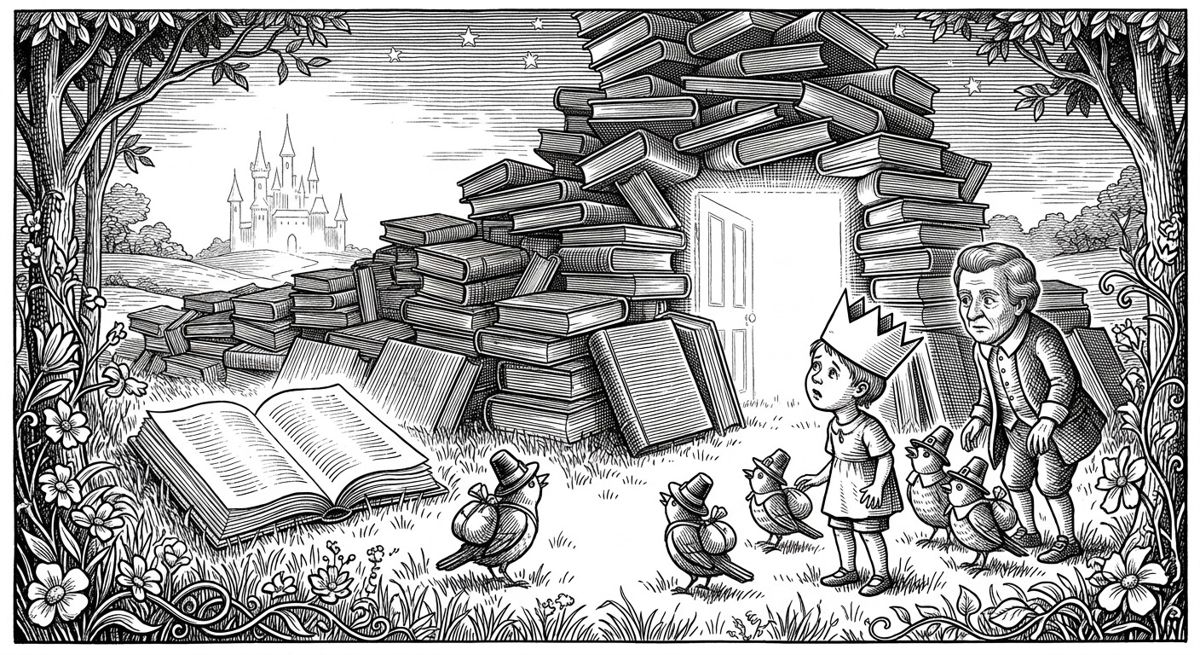
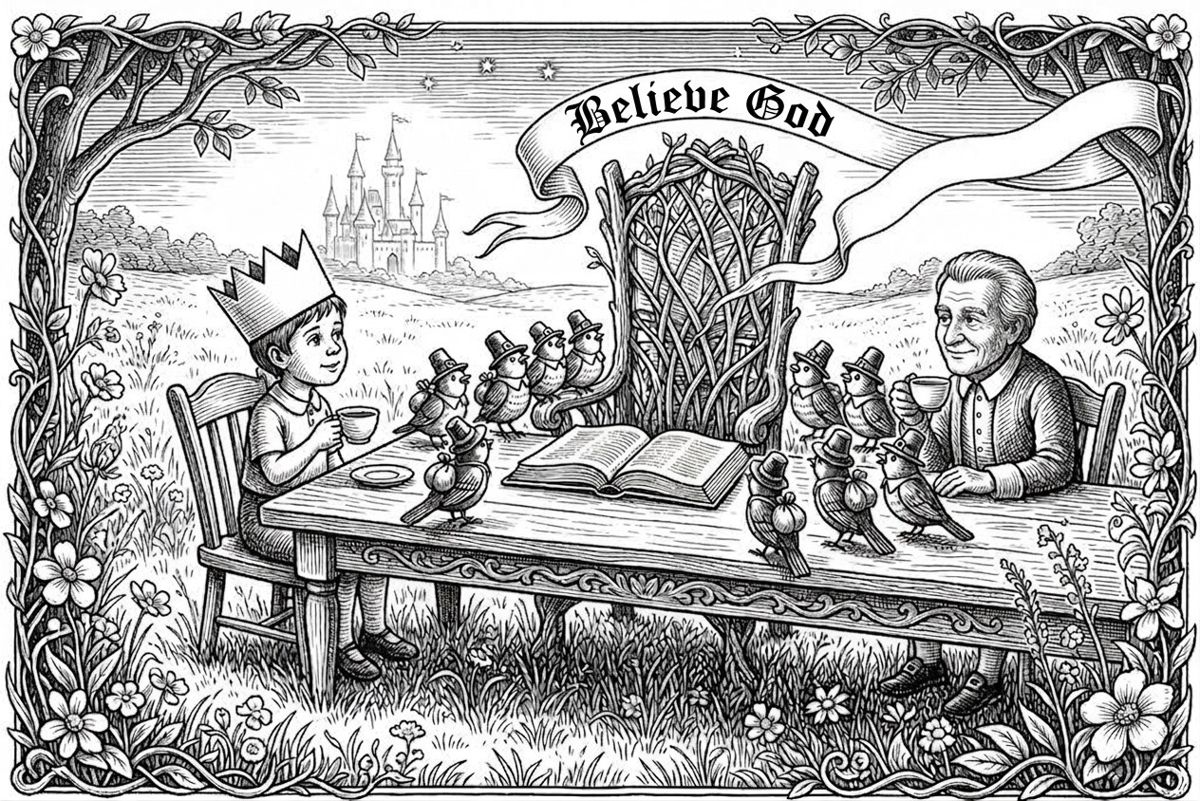
When you were small, you were given stories and conclusions about God. They were handed to you by people who genuinely loved you. Sunday school teachers handed you what their teachers handed them. Pastors handed you what their seminaries handed them. I handed you what I had at the time. The handing itself was an act of love. But each handed conclusion that you accepted without ever considering it became a brick. From that first brick you have stacked many more over the years into a wall. Now that wall stands between you and the true image of God, because every brick in it is a blind-faith that has become your religion. That religion calls the wall you built your tradition, so it tells you to protect it.
Tonight, on the stairs, one of your bricks crumbled, so it feels like the whole wall is coming down on top of you. One brick up close will teach you what the wall was actually made of, so that you do not have to be afraid.
No Man Survives in a Fish
You have been told the story of Jonah since you were small. A man named Jonah was swallowed by a whale, living inside its belly for three days and three nights before it spit him out alive on a beach. That is the version in the children’s book, the version every Sunday school teacher you ever had has told you.
You are old enough now to see for yourself what is wrong with that story. A man simply cannot live inside a whale for three days, because the animal would crush him, the stomach acid would burn him, while the belly holds no air to breathe. The popular version of Jonah is a story about a man surviving a thing that no man can survive.
So when you tell your Sunday school teacher that you are not sure you believe the Jonah story, what does the teacher say to you? The teacher says, “You need to have faith. Have faith that God kept him alive. Have faith that God can do anything. Have faith that the story is true.”
The teacher could not defend the survival reading from the text, without even knowing that, because the teacher is simply passing along the version that was handed down, so when you push, the teacher hands you faith. Faith, in that moment, is doing exactly one job, keeping you from reading, telling you the conclusion has already been reached, telling you not to open Jonah to see whether the text actually says he survived, telling you not to open Matthew 12, where Jesus draws a parallel between himself and Jonah, where Jonah died. The work has supposedly been done by the teachers who came before you, so your job is merely to accept.
You took the faith without having a choice, because you were a child, the teacher was the adult, the teacher loved you. The brick went into your wall that day, so from then on you could not really read Jonah anymore, because your tradition could not be questioned. What you now have when you open Jonah is a brick.
Multiply that brick by every conclusion you ever accepted because a teacher said so, then the wall comes into view. The wall holds as long as you never press on it. But somewhere in the last weeks or months, you pressed on a brick. The brick crumbled, because a conclusion that was never set on the text cannot survive contact with the text. That is what you are feeling on the stairs right now. It might feel like losing Christianity, or even like losing God.
What actually happened is almost nothing like what it feels like, because Christianity is still there, God is still there, the Bible is still there, Christ is still risen. What crumbled was one inherited conclusion, plus the blind-faith that was holding the conclusion in place. You did not lose anything you needed, so stop trying to get it back. What you need now is the thing God actually asked for, a thing that lives in the Greek, because the confusion you are feeling was manufactured by an English word.
Their Faith Hides God
The New Testament was not written in English. It was written in Greek, where the word behind this whole discussion is the verb pisteuo, Strong’s number 4100, along with its noun form pistis, Strong’s number 4102. Pisteuo is a completely ordinary word. Pisteuo means to consider what was said and conclude that it is true. A Greek speaker used pisteuo when he believed a messenger’s report, then used the same word when he trusted that a merchant’s scale was true. There is nothing religious inside the word, no mysticism, no church. The word simply means believing, the thing you already do every day when you weigh what someone tells you and conclude that it is true.
What happened in translation is that the English translators took that one ordinary Greek word and split it into two English words. Sometimes they translated pisteuo as “believe,” while sometimes they translated the same word as “have faith.” One Greek word had been given two English identities.
The word “believe” stayed ordinary. But the word “faith” did not stay ordinary, because over the centuries, English speakers loaded the word “faith” with religious meaning that the Greek never carried. Say the word “faith” to yourself. What shows up in your head is stained glass, a leap in the dark, loyalty to a church, believing without evidence, accepting without asking questions, then “just have faith,” which is what people say precisely when the questions get hard. Every one of those meanings is an English addition. Not one of them is in pisteuo. The religious context was added by our language, stacked on top of a plain Greek word that simply means to consider something true.
The history of the word explains how the loading happened. “Believe” is native English, an old Germanic word from a root that means to hold dear, and it stayed in the family. “Faith” is an immigrant, because it came into English from Latin, from the word fides, carried across the channel in Norman French around the thirteenth century. Fides itself started as an ordinary trust word, the word Romans used for contracts and loyalty and reliability, the same kind of ordinary that pistis was in Greek. But faith arrived in English already wearing church clothes, after a thousand years of church Latin, and the centuries since have only pulled it deeper into the sanctuary, until believing without warrant became the meaning most people hear. Pistis never meant that, because pistis comes from peitho, the Greek verb for persuade, so the word names a trust you were argued into, a conviction with reasons underneath it. English actually preserved that original meaning, while it preserved it everywhere except the pew. A contract signed in good faith, a bona fide offer, a fiduciary duty, all of it is fides doing its original work, persuaded trust between parties who can point at their reasons. The courtroom kept the word sane while the sanctuary bent it. Scripture itself resists the bending, because in Acts 17:31 the translators rendered pistis as “assurance,” where God “hath given assurance unto all men” by raising Jesus from the dead, pistis as grounds, as evidence offered, the exact opposite of a leap in the dark. So run the test yourself. Hand pistis to a translator starting fresh today, with no tradition leaning on the pen, and the translator lands on persuasion, on conviction, on trust, and never on what “faith” has come to mean. The word was an accurate translation when it was first made. The language moved underneath it, and the churches moved with the language, so the modern word carries a doctrine the Greek never taught.
So when you sat on those stairs and said, “I have lost my faith,” what you actually lost was the English additive, the stained glass, the leap in the dark, the loyalty to the system, the accepting without asking, the religious meaning that men added to a word God never used. That is why I am glad. God never asked you for any of that, so losing it costs you nothing that came from Him.
What God asks for is the plain Greek word. Romans chapter four, verse three, is where Paul anchors everything he teaches about salvation.
Abraham believed God, and it was credited to him as righteousness.
Abraham believed God. The word underneath is pisteuo. God spoke a promise to Abraham, so Abraham considered the promise, concluded the promise was true, then God called that considering-and-concluding righteousness. What is missing from that verse matters as much as what is there, because the verse holds no religion, no ritual, no leap in the dark. A person heard what God said, then believed Him, the same ordinary way you believe anyone who has proven trustworthy. That is the entire transaction.
The two English words sit side by side in the same verse, where the difference the translation makes stops being abstract. Second Thessalonians, chapter two, verse thirteen. The NASB translates the verse this way. “God has chosen you from the beginning for salvation through sanctification by the Spirit and faith in the truth.” The King James translates the same Greek this way. “God hath from the beginning chosen you to salvation through sanctification of the Spirit and belief of the truth.”
The verse is the same, while the Greek word is the same, so the only difference is the English. “Faith in the truth.” “Belief of the truth.” The first phrase sounds religious, while most people cannot define what it means without a theology book open next to them. The second phrase is something an ordinary person can actually do. You heard the truth, considered the truth, concluded the truth was true. That is belief, the thing you have been doing since before you could speak. You believe the chair will hold you, believe the sun will rise tomorrow, with nothing churchy required anywhere in the act. The Greek word is exactly that ordinary, while only one of our two English words still carries the word’s actual meaning.
The translators themselves prove this when the text corners them, because Romans chapter ten, verse nine, leaves them nowhere to go. “If you confess with your mouth, ‘Jesus is Lord,’ and believe in your heart that God raised him from the dead, you will be saved.” The translators used “believe” there, because they had no choice. Try putting “faith” into that sentence. Have faith in your heart that God raised him from the dead. The sentence stops working, because the verse is making a historical claim, while a historical claim can only be considered, then concluded. God raised Jesus from the dead, yes or no. The religious additive has no job to do in that sentence, so the additive falls away, leaving the ordinary word standing there doing all the work. Salvation itself runs on the ordinary word.
So here is the assignment, meant with my whole heart. Take a pen. The next time you sit down with the New Testament, every time you see the word “faith,” cross the word out, then write “belief” above it. Read Romans that way. Read Galatians that way. Do it for a month. You are not changing the Bible when you do this, because you are removing an English additive while restoring the ordinary word that was always there. The letters will suddenly start making more sense than they ever made before, because you will finally be reading the word Paul actually wrote.
Losing faith was only half of the gift, because the other half is picking up what God actually asked for. God asks you to believe Him. Believing God works exactly the way believing anyone works. You go to what He said, which is the text. You read what He said with your own eyes. You consider it, weighing it with reason, with logic, with the rest of what He said. Then you conclude. That is the whole assignment. Abraham did it in a tent four thousand years ago. You can do it on a staircase tonight. The considering is the work, the concluding is the belief, then God calls that righteousness.
That is why I said you are closer to God tonight than you have ever been. Your brick is off the wall, so the wall is starting to come down. Do not be afraid, because what is behind the wall is God. Belief of God lets you see Him clearly without these walls of faith blocking your view.
Be prepared for the wall to keep standing a while longer. There are bricks in your wall that you and I have never even talked about yet, together with bricks I accidentally laid in my own wall over the years. Every brick comes out the same way. You go back to the text. You read what the text actually says, in the language the text was actually written in, without somebody else’s voice in your head. The Bible is remarkably patient with this work. I have spent my entire adult life pushing on the Bible with everything I have, while every time I have done the work, the Bible has held. Find that out for yourself.
So doubt me. I truly mean that. Doubt everything I have ever told you about what these words mean. Go back to the words, then consider them yourself. If what I taught you is true, the Bible will confirm it when you consider it. If what I taught you is wrong, the Bible will correct it, so you will be better for being corrected than you would have been for accepting me without considering. Either way, the considering is what God asked of you. Your belief should survive my being wrong, because I will certainly be wrong about something. Every teacher is wrong about something. The only one who has never been wrong is God, the One who authored the Bible.
That is the first brick out of your wall, with more waiting behind it.
Back in Colorado, standing at the bottom of those fifteen carpeted stairs. Dad’s voice echoes through the basement door. These walls hold the memories of my father’s ministry. Sometimes, when we all visit back home, I quietly walk down to the basement just to stand in it, in the quiet, in the place where the Wednesday nights used to happen and we were all small and the house was full and none of it felt like it would ever end. Did he know how safe we felt here? Did he know what those nights made of us?
My feet count each step to the top of the stairs. My ear presses against the cool composite wood of the basement door, trying to catch a clearer version of a father’s voice. The wood gives the memory back. The voice comes through muffled, the same warm rumble it always was, but the words are still just out of reach. How would he have answered if the study had been interrupted with my burning questions?
My heart is going fast.
If I could have pulled my thoughts together back then, as they come together in my mind now, how would you have answered?
Dad. I’m sorry. I don’t know how to believe. I don’t know if any of this is real. I don’t know if God is real. I don’t know if you’re right about any of it. So, Dad.
May I join your study?